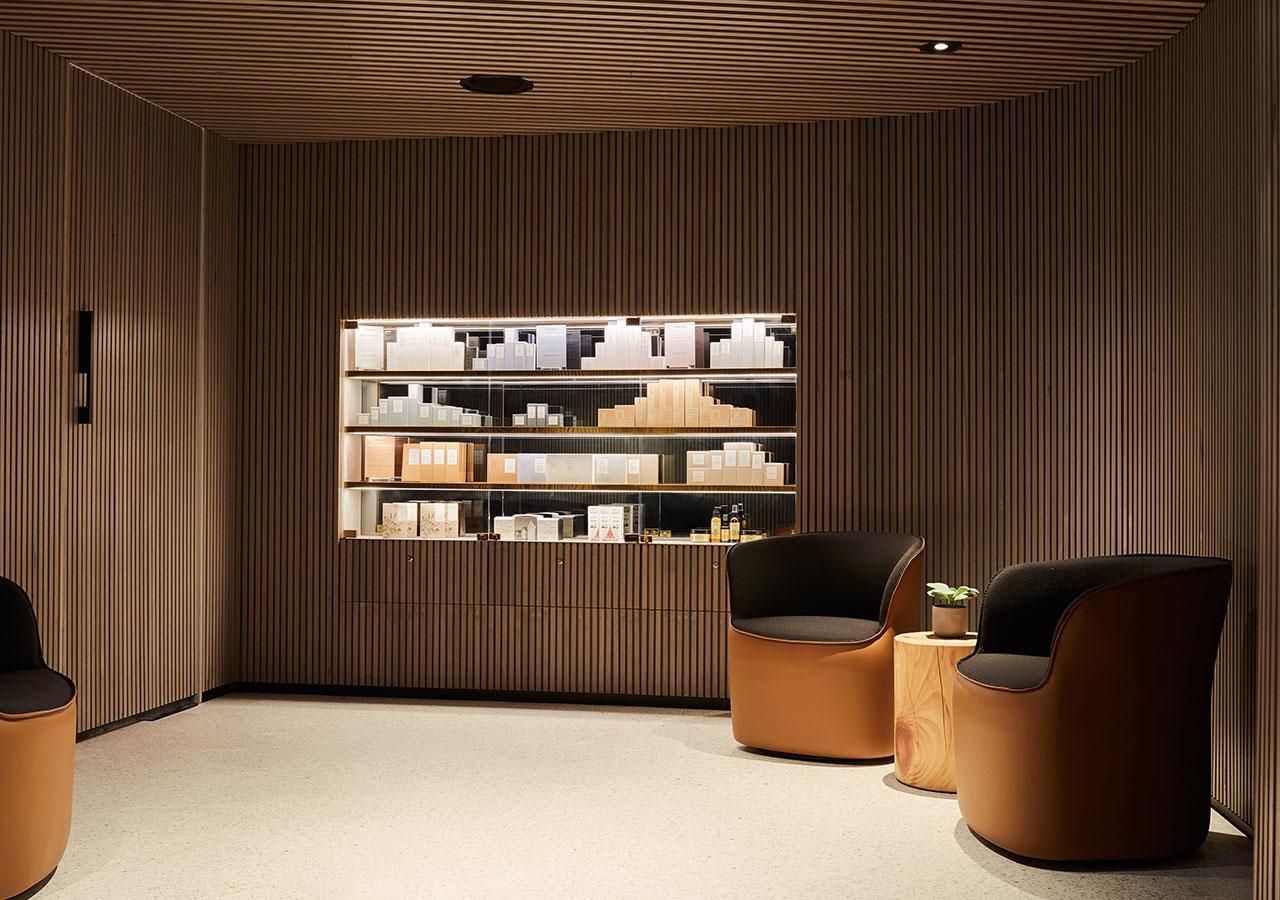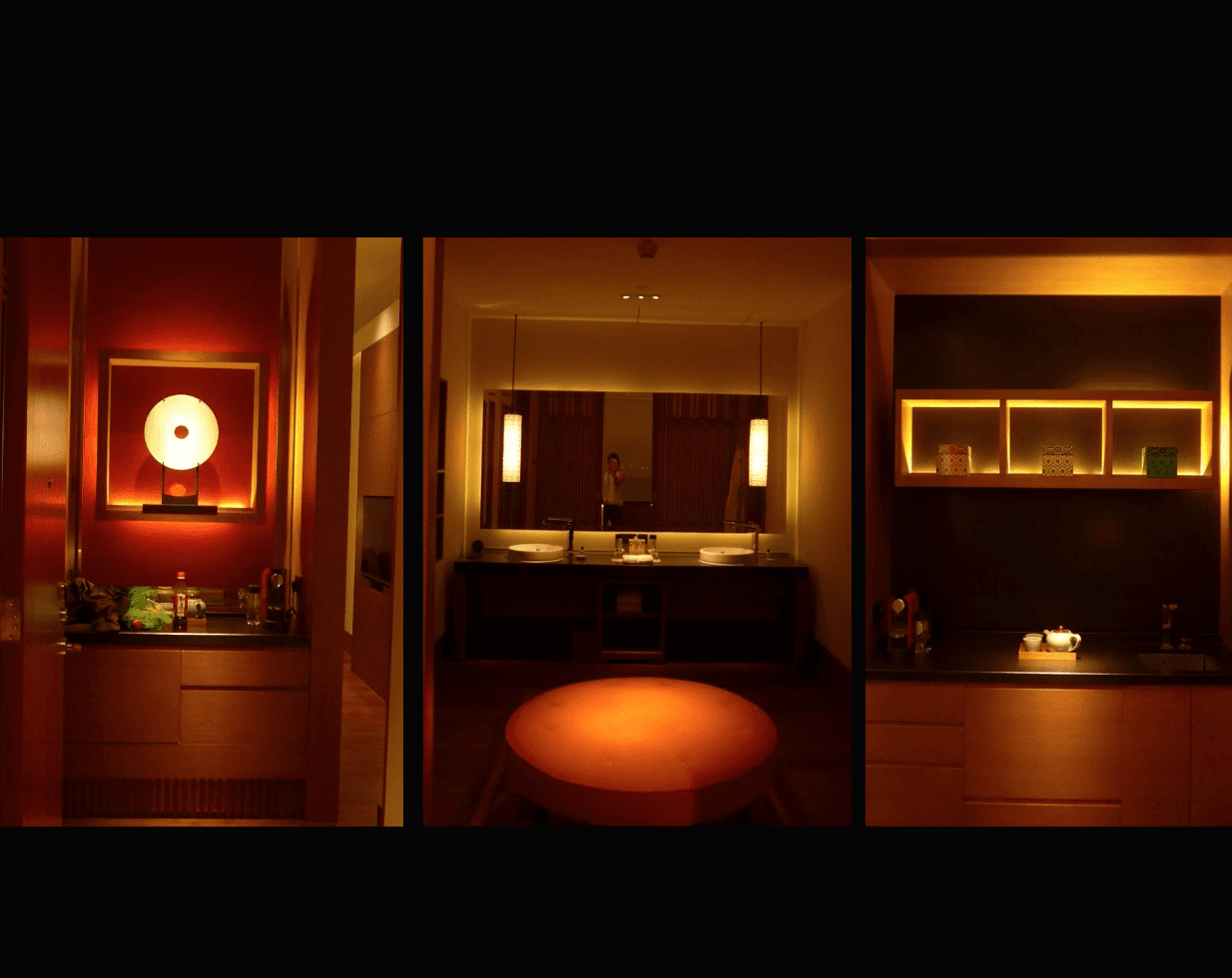
What you learn when the walls are up but the lights aren't on yet.
There was a year where I was living alone in confined residential quarters, travelling back and forth to a construction site almost every day.
Most mornings started before sunrise as we were driven down the long access road into a massive project. Some days didn't finish until well after everyone else had packed up.
I'd spend hours walking through unfinished hotel rooms, restaurants and public spaces. The lighting was either yet to be installed or only partially complete, but even then I could tell whether the design was coming together - or quietly falling apart.
That experience changed the way I think about lighting forever.
The first lesson was that lighting decisions made behind a desk don't always survive the real world. Design intent isn't automatically understood by everyone on site. Unless it's communicated clearly and protected throughout construction, it slowly erodes as countless small decisions are made along the way.
The second lesson was about timing. Too often, lighting consultants are brought in after the major design decisions have already been made. Understanding where, how and why lighting should be considered from the very beginning is one of the most valuable skills I've developed.
The third lesson was that site conditions never lie. What performs beautifully on one project can struggle on another. Materials, climate, maintenance and the realities of construction often have a greater impact than the product itself.
The fourth lesson was confidence. Standing on site alongside contractors taught me that people don't follow titles - they follow understanding. When you can clearly explain why a lighting decision matters, people listen. Good design is much easier to protect when everyone understands the reasoning behind it.
And finally, I learned that lighting has nowhere to hide.
The moment the lights are turned on and the scene setting is complete, everyone knows whether the space works.
There's no presentation.
No additional renderings.
No explanations.
Just the experience.
That's why I believe lighting should never be treated as the finishing touch.
It's one of the earliest design decisions that shapes how people experience a space.
If you've ever walked into a beautifully designed building that somehow felt flat, chances are the architecture wasn't the problem.
The lighting was.
P.S.What's the hardest lighting challenge you're facing right now? Hit reply and let me know - I'd love to hear what's proving most difficult on your current projects.
NEWSLETTER - Designing with Light